
Why This Matters
Bone health does not exist in isolation
Fragility fractures affect surgical outcomes, recovery trajectories, employer costs, caregiver burden, and long-term independence. The value of prevention is widely felt—but unevenly captured.
This season explores how bone health intersects with:
Orthopedic and spine surgery
Post-acute and rehabilitation care
Employers and health systems
Patients, families, and caregivers
And why meaningful change requires alignment—not just innovation.
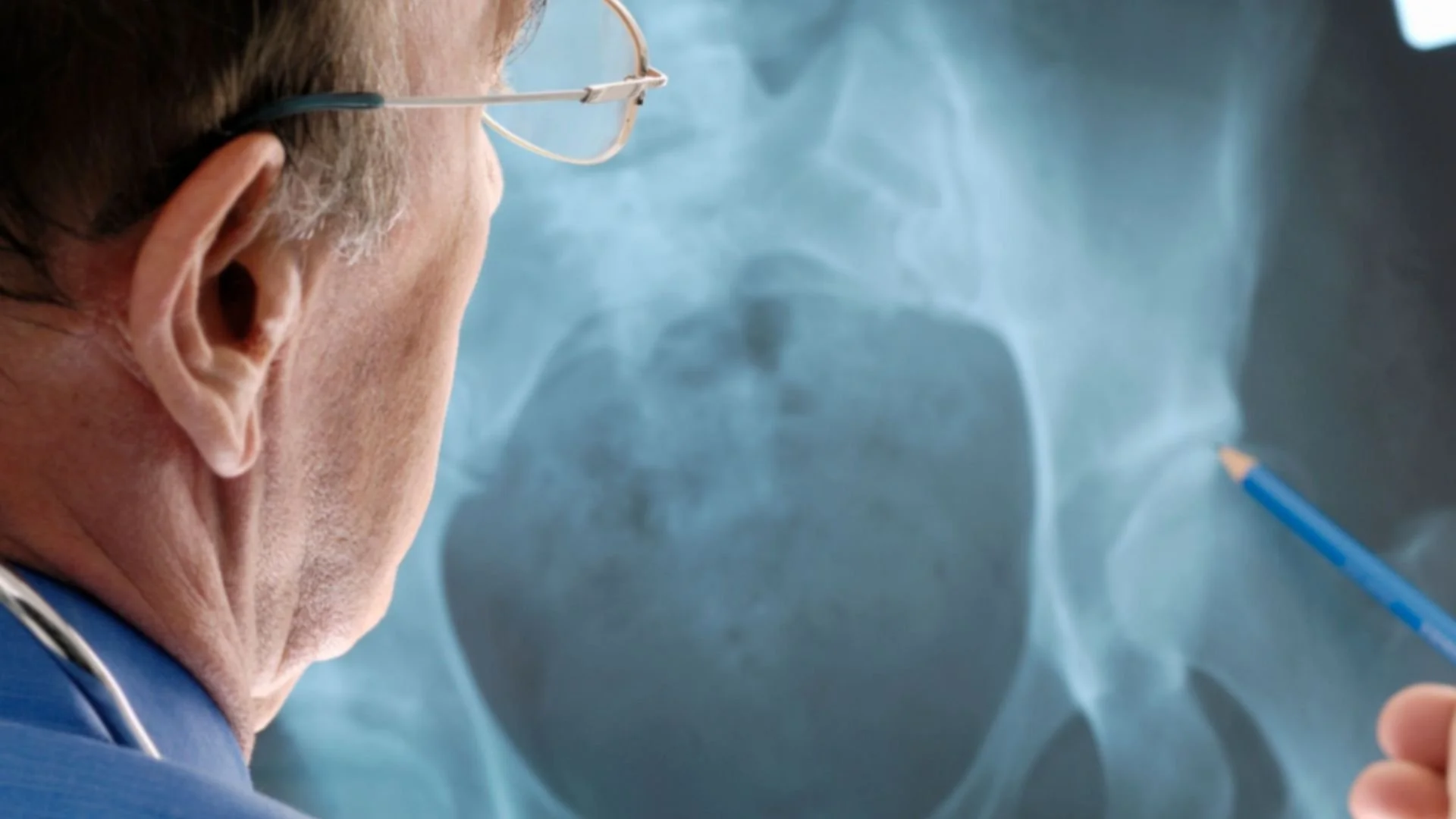
Fragility fractures are not only a clinical crisis—they are a structural and economic one.
The human cost comes first. But the financial impact reveals how deeply misaligned the system has become—and why incremental fixes won’t work.
Fragility fractures impose tens of billions of dollars in direct medical costs each year, with ripple effects across hospitals, practices, payers, employers, and families (1-4). These numbers matter—not because dollars outweigh patients or providers, but because they expose how unsustainably the system is organized.
For years, bone health care has operated in an environment of chronic under-capitalization relative to the risk it is meant to manage (6,7,10). Programs were built on commitment rather than ownership, on workarounds rather than infrastructure. Providers did what they had to do—adapting workflows, absorbing administrative burden, and compensating for gaps the system never addressed (6,8,10).
That reality shaped how care is delivered today.
Now, as new technologies emerge and long-overdue attention returns to fracture risk, we are at risk of repeating the same pattern—layering innovation onto a system that was never designed to support it (6,8,10).
This moment calls for something different.
Before scaling solutions, we need to step back and ask harder questions:
What is the system actually optimized for?
Where is value created—and where is it trapped?
What would bone health care look like if providers had the infrastructure, capital, and ownership required to deliver it sustainably?
Only by asking those questions can we redesign bone health care around what patients and providers actually need—rather than forcing them to keep compensating for structural failure.
References
Burge R, Dawson-Hughes B, Solomon DH, Wong JB, King A, Tosteson A. Incidence and economic burden of osteoporosis-related fractures in the United States, 2005–2025. J Bone Miner Res. 2007;22(3):465–75.
Lewiecki EM, Ortendahl JD, Vanderpuye-Orgle J, et al. Healthcare policy changes in osteoporosis can improve outcomes and reduce costs in the United States. J Bone Miner Res. 2019;34(2):203–11.
Singer A, Exuzides A, Spangler L, et al. Burden of illness for osteoporotic fractures compared with other serious diseases among postmenopausal women in the United States. Mayo Clin Proc. 2015;90(1):53–62.
International Osteoporosis Foundation. The global burden of osteoporosis: a factsheet. Nyon (CH): IOF; 2021.
Compston J, Cooper A, Cooper C, et al. UK clinical guideline for the prevention and treatment of osteoporosis. Arch Osteoporos. 2017;12(1):43.
Sale JEM, Beaton D, Posen J, et al. Systematic review on interventions to improve osteoporosis care following fragility fractures. Osteoporos Int. 2011;22(7):2067–82.
Majumdar SR, Lier DA, Leslie WD. Cost-effectiveness of fracture liaison services: a systematic review. Osteoporos Int. 2011;22(7):2059–66.
Solomon DH, Patrick AR, Schousboe J, Losina E. The potential economic benefits of improved postfracture care: a systematic review. J Bone Miner Res. 2014;29(8):1660–68.
Bliuc D, Nguyen ND, Milch VE, Nguyen TV, Eisman JA, Center JR. Mortality risk associated with low-trauma osteoporotic fracture and subsequent fracture in men and women. JAMA. 2009;301(5):513–21.
Khosla S, Cauley JA, Compston J, et al. Addressing the crisis in the treatment of osteoporosis: a path forward. J Bone Miner Res. 2017;32(3):424–30.